 1 (866) 313-2180
 SALES@FORKLIFTTIRE.COM



Posted by Forklift Tire Company on 9th Jun 2026
When a polyurethane load wheel wears out, the machine it's on — a reach truck, order picker, walkie stacker, or electric pallet jack — stops running right. You get a rough ride, flat spots that thump with every rotation, and eventually an exposed metal core that scores your floor and chews up the axle. The fix is simple. Ordering the wrong wheel is the expensive part — replacement load wheels are returnable while new and uninstalled, but a wrong order still costs you downtime, return freight, and a restocking fee — and it can't go back once it's installed and run.
This guide shows you how to identify, size, and replace forklift load wheels and caster wheels — and the single most reliable way to get an exact match the first time: your OEM part number.
In this guide
What Are Load Wheels and Caster Wheels?
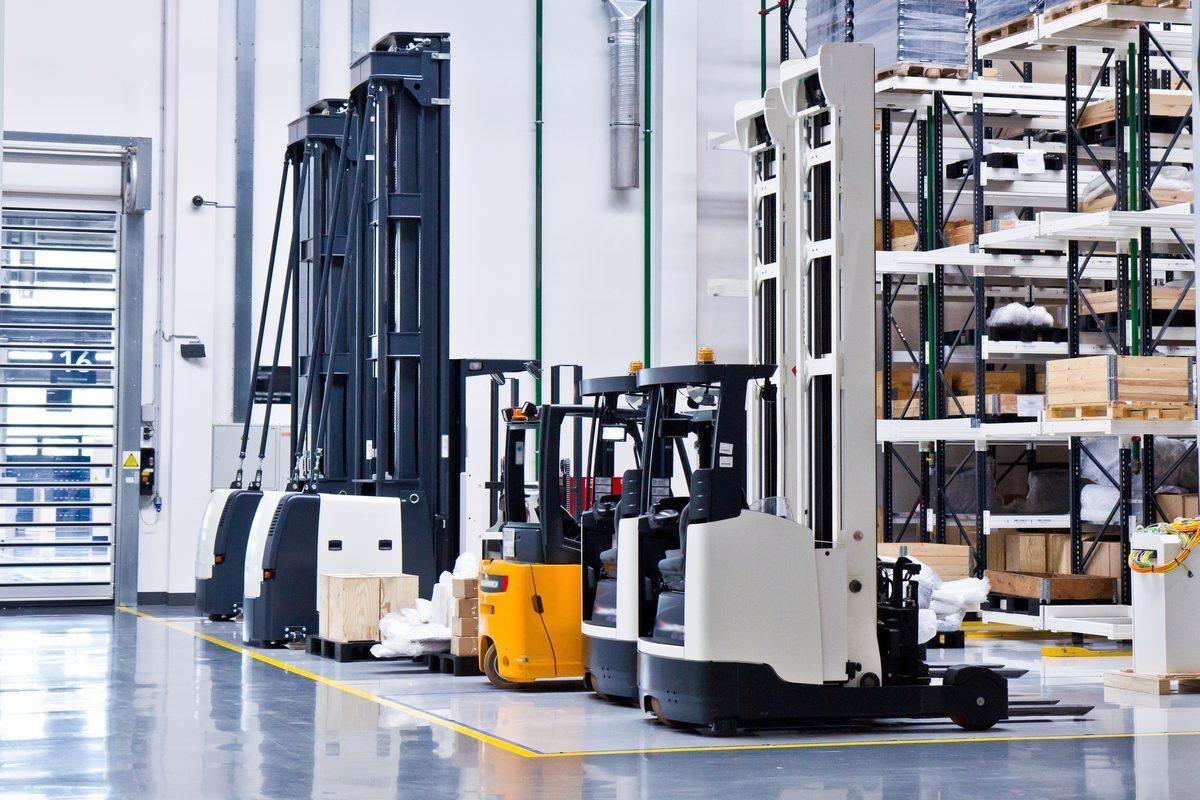
Load wheels and caster wheels are the small, hard-tread wheels that carry the load end of electric warehouse equipment — not the large drive and steer tires on a sit-down forklift. You'll find them on:
- Reach trucks — load wheels in the outriggers (the straddle legs)
- Order pickers and walkie stackers — load wheels plus stabilizer casters
- Electric pallet jacks / walkie pallet trucks — load wheels under the forks, plus a drive/steer wheel at the power end
- Tuggers and tow tractors — caster and support wheels
These wheels don't drive or steer the machine — they bear weight and roll. Because they ride on smooth concrete under heavy, repeated loads, they're built differently from a forklift tire: a precision polyurethane tread bonded to a steel or iron core, usually running on pressed-in ball bearings, though some use a bushing or a plain bore.
Why Load Wheels Are Polyurethane
Nearly every load and caster wheel in a warehouse is polyurethane, for good reasons:
- High load capacity in a small diameter. Polyurethane carries heavy static and rolling loads without deforming — essential for a small wheel under a loaded pallet.
- Low rolling resistance. A harder poly tread rolls easier, which protects battery range and reduces operator effort on a walkie.
- Non-marking by default. Polyurethane contains no carbon black, so it won't streak finished or coated floors, and it runs quieter than nylon.
- Long wear life on concrete. Poly resists abrasion and cut-and-chip far better than rubber in a clean indoor setting.
FTC's load wheels use Falcon Hyload — an American-made, heavy-duty cast polyurethane at 98 Shore A durometer that carries roughly 15% more load than standard compound, bonded to the core and supplied with bearings ready to install.
How Load Wheels Are Sized
A load wheel either fits or it doesn't — there's no "close enough." These define fitment, and the ones that apply have to match:
The four measurements that matter
- Overall diameter — sets ride height and fork geometry
- Width (tread thickness) — must fit the mounting space and carry the load
- Bore (inner diameter) — the center/axle hole; the most common sizing mistake
- Bearing — if the wheel uses one, the number stamped on the old bearing (e.g., 6205) — some use a bushing or plain bore instead
FTC lists each wheel by its two outer dimensions and its bore, e.g., 3-1/4 x 5.91 (2.047) with bearing 6205. The number in parentheses is the bore, and it matches the bearing's outer diameter.
One thing to know: the bore only tells you the bearing's outside diameter, not the exact bearing. A 2.047" bore takes a 6205 bearing (52 mm OD); a 2.441" bore takes a 6305 or 6206 bearing (62 mm OD). Because more than one bearing can share an outside diameter, identify the exact bearing by the number stamped on your old one or your OEM part number — not by the bore alone.
The Reliable Method: Match by OEM Part Number
Every load wheel we sell is cross-referenced to its original-equipment part number, so the surest way to order is to match the number stamped on your old wheel or listed in your parts manual. That single number locks in diameter, width, bore, and bearing at once. Here's our current cross-reference for the most common Crown, Raymond, Yale, and Hyster load wheels:
| Make | OEM Part # | Size (bore) | Bearing | Shop |
|---|---|---|---|---|
| Raymond | 632-069-007 / -107 | 3-1/4 x 5.91 (2.047) | 6205 | View wheel |
| Raymond | 632-052-007 / -107 | 5 x 3-5/8 (2.441) | 6305 | View wheel |
| Raymond | 632-031-007 / -107 | 4 x 2-7/8 (2.047) | 6205 | View wheel |
| Crown | 100462 | 3-1/4 x 6-1/2 (2.047) | 6205 | View wheel |
| Crown | 115032 | 5 x 2-7/8 (2.441) | 6305 | View wheel |
| Crown | 083179 | 4 x 2-1/2 | 6205 / 8505 | View wheel |
| Yale | 2307117 | 5 x 3-7/8 (2.047) | 6205 | View wheel |
| Yale | 2046054 | 3-1/4 x 4-1/2 (2.047) | 6205 | View wheel |
| Yale | 3006166 | 4 x 2-3/4 (2.441) | 6206 | View wheel |
| Hyster | 350562 / 354576 | 3-1/4 x 4-1/4 (2.047) | 6205 | View wheel |
| Hyster | 350564 / 354578 | 3-1/4 x 5-3/4 (2.047) | 6205 | View wheel |
Don't see your part number? We can cross-reference others — browse the full forklift load wheels category or call us with your number. These wheels are commonly used on certain Crown, Raymond, Yale, and Hyster electric equipment, but equipment make alone does not confirm fitment.
Pallet Jack Wheels: Load Wheels vs. Steer Wheels
"Pallet jack wheels" is the term most people search, but a pallet jack actually has two different wheel jobs:
- Load wheels — the small wheels under the fork tips that drop to lift the pallet. They take the most punishment and wear fastest, and are sold as single wheels or in tandem (two-roller) sets.
- Steer / drive wheel(s) — the larger wheel(s) at the handle or power end. On a manual jack these are a poly tread on a hub; on an electric jack the drive wheel lives here.
Figure out which job you're replacing — load and steer wheels are different sizes and wear at different rates. It's common to replace load wheels more than once before the steer wheel needs attention.
Durometer and the "Wheel Color" Question
Polyurethane hardness is measured in durometer on the Shore A scale — a higher number is harder. Softer compounds (high 80s A) absorb shock and grip better; harder compounds (mid-90s A and up) roll easier and last longer under heavy loads on smooth floors. FTC's Hyload load wheels run a hard 98A for heavy-duty load capacity and wear life.
You may have heard that wheel color tells you the compound. Sometimes a manufacturer color-codes its own line by hardness — but color coding is not a universal standard, and the same color can mean different things across brands. Don't order by color. Match the durometer, or better, the OEM part number.
When to Replace Load Wheels
Load wheels give clear warning signs. Replace them when you see:
- Flat spots — a thump or vibration every rotation, usually from dragging a locked wheel
- Chunking or cracking — pieces of poly breaking away from the tread
- Tread separation — the poly debonding or spinning on the core
- Worn to the core — replace once the wheel has worn down about 1⁄4 inch in diameter (roughly 75% of its original size), and immediately if metal shows through (it scores floors and damages axles)
- Bad bearings — wobble, noise, or a wheel that won't spin freely; replace bearings with the wheel
Always replace load wheels in pairs so the machine sits level. Removal differs by design — some use snap rings, some roll/locking pins, some axle bolts — so check your machine before you start. On a multi-shift operation, load wheels are a routine wear item; keeping a spare set on the shelf prevents downtime.
What to Verify Before You Order
Because replacement load and caster wheels are a returnable part while it's new and uninstalled (but not once installed, and a wrong order still costs return freight and a restocking fee), confirm everything before you buy. Pull the old wheel and check:
- ✓OEM part number — stamped on the wheel or in your parts manual (the fastest exact match)
- ✓Overall diameter of the old wheel
- ✓Width / tread thickness
- ✓Bore (measure the center hole)
- ✓Bearing number (read it off the old bearing)
- ✓Configuration — single wheel, tandem/two-roller, with or without bearings
Verify exact tire size and fitment before ordering. Not sure? Send us your equipment make, model, and serial number — or the old part number — at 1 (866) 313-2180 and we'll confirm the right wheel before you order.
Why Buy Load Wheels from ForkliftTire.com
- Exact OEM cross-reference. Every wheel is matched to its Crown, Raymond, Yale, or Hyster part number — order by your number and skip the guesswork.
- American-made Falcon Hyload poly. Heavy-duty 98-durometer cast polyurethane, ~15% more load capacity than standard compound, non-marking by default.
- Bearings included. Wheels ship with the correct bearings pressed in, ready to install.
- Real fitment help. Talk to people who know reach trucks and walkies — not a marketplace listing. Most load wheels run about $95–$240.
- Built-in savings. Save 7.5% on 2–3 items or 15% on 4+ items, automatic in cart. Free ground freight to commercial addresses in the contiguous U.S.
Need press-on tires instead? Browse polyurethane press-ons or cushion rubber press-ons. For tubes, flaps, and O-rings, see inner tubes and parts.
Frequently Asked Questions
What are pallet jack and load wheels made of?
Almost always polyurethane — a hard, durable tread bonded to a steel or iron core, usually running on ball bearings (some use a bushing or plain bore). Polyurethane carries heavy loads in a small diameter, rolls with low resistance, resists abrasion on concrete, and is non-marking because it contains no carbon black. FTC's load wheels use heavy-duty Falcon Hyload poly at 98 durometer.
How do I know what size load wheel I need?
The fastest way is to match the OEM part number stamped on the wheel or in your parts manual. Otherwise, measure four things: overall diameter, width (tread thickness), bore (the center/axle hole), and the bearing number. FTC lists wheels as two outer dimensions plus the bore in parentheses — for example, 3-1/4 x 5.91 (2.047) with a 6205 bearing.
Do load wheels come with bearings?
Ours do. Each load wheel ships with the correct bearings pressed in (the bore is sized to the bearing's outside diameter, which can fit more than one bearing — a 2.047" bore takes a 6205, a 2.441" bore takes a 6305 or 6206). If your old bearings are worn, replace them with the wheel rather than reusing them.
When should I replace load wheels?
Replace when you see flat spots (a thump every rotation), chunking or cracking, tread separating from the core, or the wheel worn down about a quarter inch in diameter. If metal core shows through, replace immediately — it scores floors and damages axles. Replace in pairs, and swap the bearings at the same time.
Are polyurethane load wheels non-marking?
Yes. Polyurethane is inherently non-marking because it contains no carbon black, so it won't streak finished, sealed, or coated warehouse floors — and it runs quieter than nylon. That's why nearly all warehouse load and caster wheels are polyurethane.
Not sure which wheel fits your equipment? Call 1 (866) 313-2180 with your make, model, serial number, or old part number — we'll confirm the right load wheel before you order. Verify exact tire size and fitment before ordering.
Fitment references are general guidance. Load wheels are commonly used on certain Crown, Raymond, Yale, and Hyster equipment, but equipment make alone does not confirm fitment. Always verify exact size, bore, bearing, and OEM part number before ordering.