 1 (866) 313-2180
 SALES@FORKLIFTTIRE.COM


Posted by Forklift Tire Company on 30th Jan 2026
The History of Forklifts and Their Impact
The history of forklifts is closely connected to the growth of modern warehouses, factories, and global supply chains. Today, forklifts are everywhere—distribution centers, shipping yards, construction sites, and manufacturing plants all depend on forklifts to move heavy loads quickly and safely. But forklifts didn’t become popular by accident. They became essential because businesses needed a faster and more efficient way to handle materials.
Forklifts changed material handling forever by improving productivity, reducing manual labor, and allowing companies to store and transport goods at a much larger scale. In this article, you’ll learn why forklifts became so important, how they improved warehouse operations, and why forklifts remain a key part of material handling today.
What Is Material Handling? (And Why Forklifts Matter)
Material handling is the process of moving, storing, protecting, and controlling goods throughout a workplace. It includes everything from receiving deliveries to transporting materials inside a facility and loading finished products onto trucks.
Material handling happens every day in industries such as warehousing and distribution, manufacturing and production, retail logistics, construction, and shipping operations. When material handling is slow or inefficient, it causes delays, higher labor costs, and increased safety risks. This is exactly why forklifts became such an important invention. Forklifts made material handling faster, safer, and more organized.
Material Handling Before Forklifts Existed
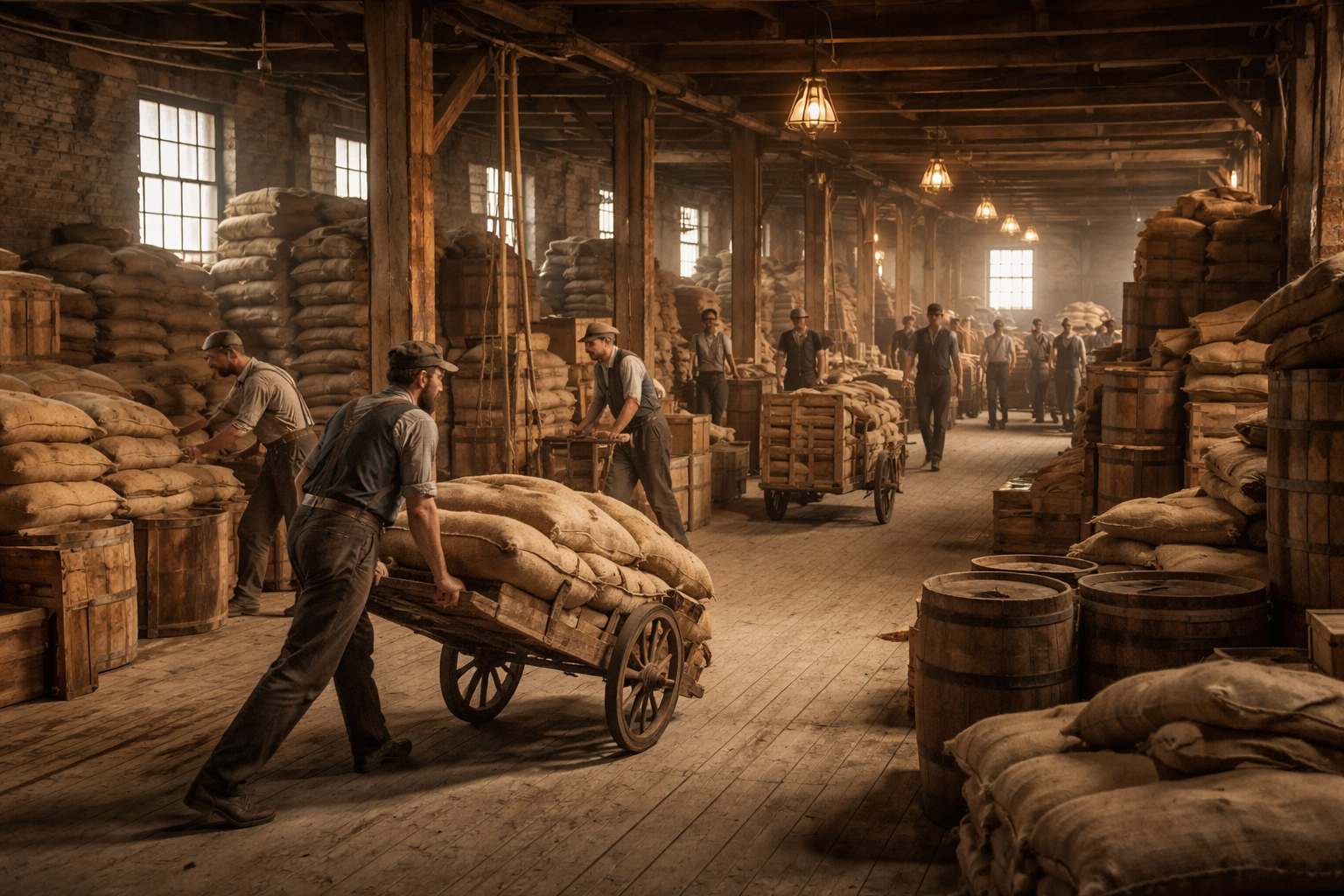
Before forklifts, businesses relied mostly on manual labor and basic tools. Workers moved goods using hand carts, dollies, hand trucks, pulley systems, and simple wagons. These methods worked for smaller operations, but they became inefficient as businesses grew. Large factories and warehouses needed to move heavier loads more frequently. Without powered lifting equipment, companies struggled to keep up with demand.
This created a major problem: moving materials took too long and required too many workers. The solution was a machine that could lift, transport, and stack heavy loads efficiently—this is where forklifts changed everything.
Why Forklifts Were Created: The Need for Faster Work
Forklifts were developed because businesses needed to solve several challenges at once. The biggest problems included slow movement of heavy loads, high labor costs, workplace injuries, and limited storage space.
Without forklifts, workers had to move products in smaller amounts. This meant more trips, more time, and slower operations. Manual material handling required multiple workers to move heavy loads safely, which increased labor expenses. Carrying heavy materials also caused injuries such as back strain and accidents caused by unstable loads. On top of that, goods couldn’t be stacked high without lifting equipment, forcing businesses to use more floor space and limiting storage capacity.
Forklifts solved these problems by giving one operator the ability to lift and move thousands of pounds safely and quickly.
How Forklifts Changed Material Handling forever
Forklifts didn’t just improve work—they changed the entire way industrial operations were designed. Here are the biggest ways forklifts transformed material handling.
Forklifts Made Loading and Unloading Faster
Forklifts allow companies to load and unload trucks much faster than manual labor. Instead of carrying items one by one, forklifts can lift full loads in a single trip. This reduces downtime at docks and improves delivery speed. Faster loading and unloading is one of the biggest reasons forklifts became essential in warehouses and logistics.
Forklifts Improved Warehouse Storage and Organization
Forklifts made it possible to store goods vertically using racking systems. This improved warehouse efficiency by allowing businesses to store more inventory in less space, keep aisles organized, improve product access, and reduce clutter. This is one reason modern warehouses are built around forklift movement and racking design.
Forklifts Reduced Manual Labor and Increased Productivity
Forklifts reduced the need for heavy lifting by workers. A forklift operator can move the same amount of goods that might take several workers to handle manually. This leads to higher productivity, faster daily operations, reduced labor strain, and lower operating costs. Forklifts helped businesses scale up production and distribution without needing huge increases in labor.
Forklifts Improved Safety in Material Handling
When forklifts are used correctly, they provide a safer way to lift heavy loads compared to manual handling. Over time, forklift design improved with safety features such as overhead guards, stronger braking systems, better operator visibility, warning lights, and stability systems. Forklift training and safety standards also became more common as forklifts became widespread.
Forklifts and the Growth of Modern Warehouses
The rise of modern warehousing would not be possible without forklifts. As businesses expanded, warehouses became larger and more complex. Forklifts helped warehouses manage larger volumes of inventory, faster receiving and shipping schedules, high stacking and storage systems, and efficient movement of pallets and products.
Forklifts also helped businesses meet customer demand by improving how quickly goods could move through the supply chain.
Forklifts and Pallets: The Perfect Partnership
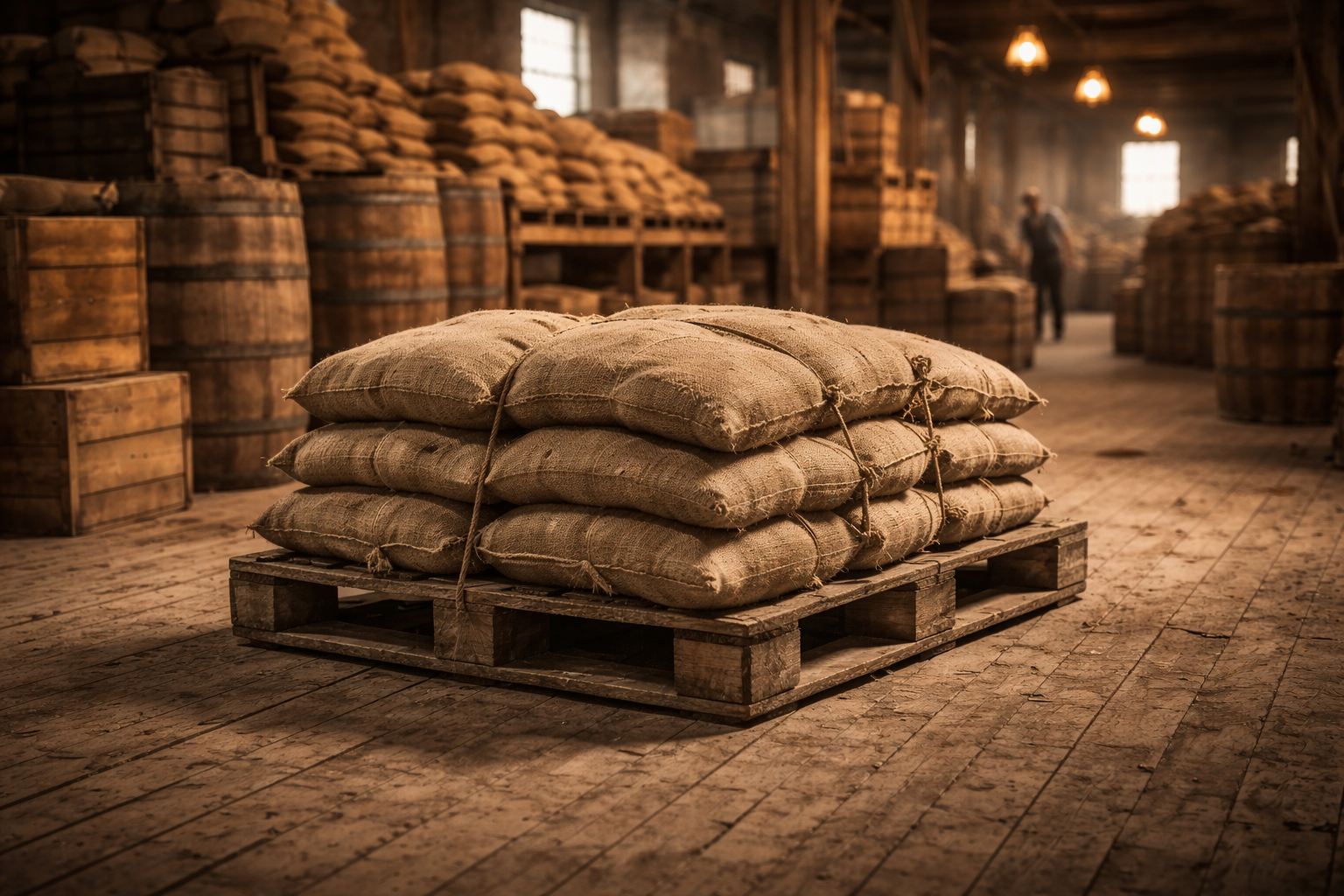
Forklifts became even more powerful with the growth of pallet systems. A pallet allows goods to be grouped into one stable load. This makes it easy for forklifts to lift and move products efficiently.
The combination of forklifts and pallets improved shipping speed, warehouse organization, inventory handling, product protection during transport, and standardization across industries. Forklifts and pallets are one of the biggest reasons modern logistics became so efficient.
Why Forklift Tires Matter in Material Handling
Forklifts depend heavily on one key component: forklift tires. The right forklift tires improve traction, stability, and performance in different environments. Forklift tires affect grip, turning ability, stability under load, floor protection indoors, and durability outdoors.
For example, cushion forklift tires are common indoors on smooth warehouse floors because they offer great maneuverability. Pneumatic forklift tires are best for outdoor use and rough terrain because they provide traction and shock absorption. Solid pneumatic tires are popular in environments where punctures are common. Choosing the right forklift tires is an important part of safe and efficient material handling.
Why Forklifts Are Still Essential Today
Even with modern automation, forklifts remain one of the most flexible machines in industrial work. They are still widely used because they are versatile, reliable, cost-effective, and available in electric or fuel-powered models. Forklifts can operate indoors and outdoors and are capable of lifting heavy loads safely.
Forklifts continue to be a foundation of warehouse and logistics operations, and they will remain important as supply chains grow.
Forklift History and the Future of Material Handling
The history of forklifts shows how one machine can transform an entire industry. Forklifts changed material handling forever by making it faster, safer, and more efficient. They reduced manual labor, improved warehouse storage, and helped build the modern supply chain that supports global trade today.
As forklift technology continues to improve through electric power, smarter safety features, and specialized designs, forklifts will remain essential in warehouses, factories, and job sites. In the next part of this forklift history series, we’ll explore what material handling looked like before forklifts existed and how early industrial equipment paved the way for modern forklifts.